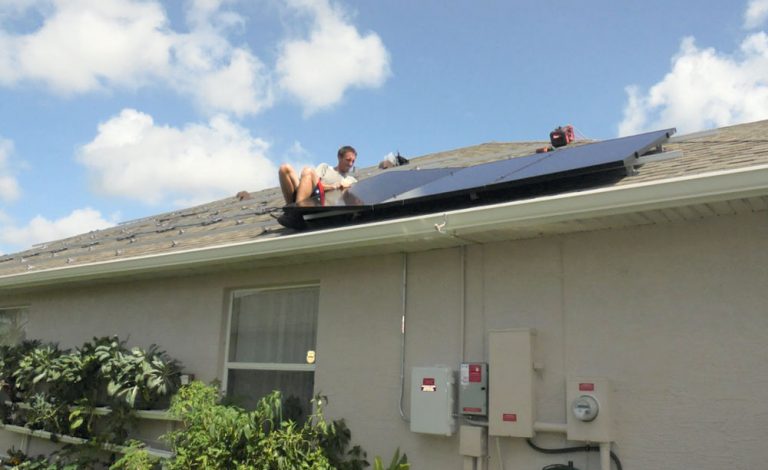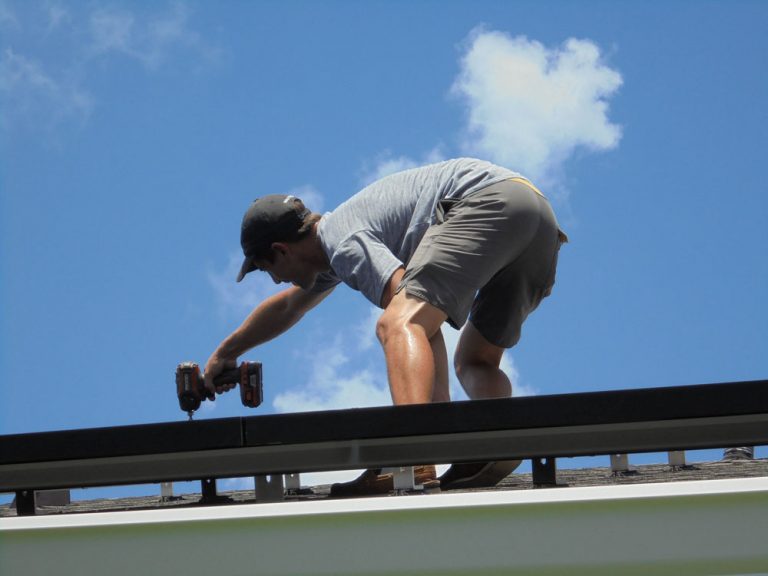
Buying a home comes with many exciting choices, and one of the smartest is solar power. Understanding what new homeowners should know before going solar can save money and avoid surprises down the road. Solar panels can lower electricity bills, increase property value, and help the environment.
But not every house is ready for solar, so planning matters.
Before you commit, it’s important to consider your roof, energy use, and local incentives. Small details, like shading or roof age, can affect efficiency and costs. Learning the basics now makes the installation smoother and helps you get the most from your investment.
Check Your Roof First
Your roof is the foundation of any solar system, so new homeowners should know
before going solar that roof condition matters. A sturdy, well-positioned roof makes
installation easier and prevents future repairs from interfering with your panels.
● Direction and angle: South-facing roofs usually get the most sunlight. East or
west can work, but may lower efficiency.
● Shading: Trees, chimneys, or nearby buildings can block sunlight and reduce
energy output.
● Roof condition: Old or damaged roofs may need repairs or replacement before
installation.
● Longevity: Solar panels last 20–30 years, so matching the roof lifespan avoids
extra costs later.
Checking these details early saves headaches and helps you choose the right system
for your home.
Understand Your Energy Needs
Start by checking your past electricity bills to see how much power your home uses.
Think about changes that could affect your usage, like new appliances or working from
home. Picking a system that fits your actual needs helps you avoid paying for more than
you use.
Climate can also affect how much energy you need. Homes in sunny states, like
Florida, often rely more on cooling during hot months, with some homeowners adapting
to Florida weather by running air conditioning longer. Planning your solar system with
local conditions in mind keeps it efficient throughout the year.

Learn About Solar Costs and Incentives
The first thing to know is that solar installation requires an upfront investment. Prices
vary based on system size, panel type, and installation complexity. Getting multiple
quotes helps you find the best deal for your home.
Financial incentives can make a big difference. Many states and local programs offer
rebates, tax credits, or other savings. These can lower your initial cost by 20–30%,
depending on where you live. Checking what applies in your area before committing can
save thousands.
It’s also worth comparing payment options. Some homeowners pay cash, while others
use solar loans or leases. Loans spread the cost over time, and leases let you pay a
fixed monthly amount without owning the panels.
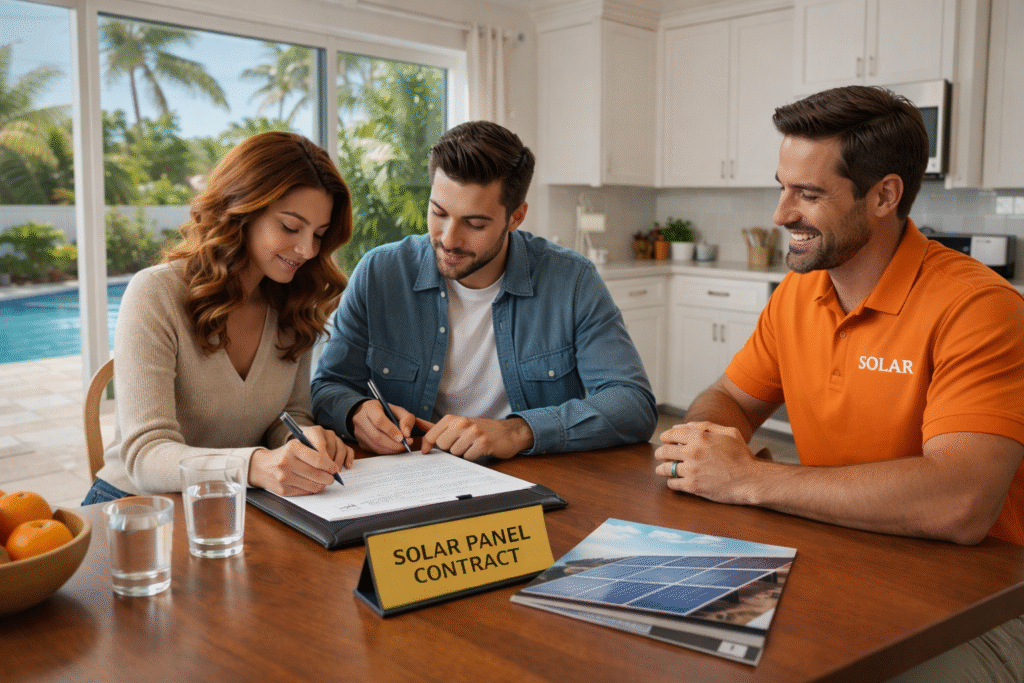
Financing Options That New Homeowners Should Know Before Going Solar
Choosing how to pay for your solar system can change how quickly you see savings.
There are several ways to cover the cost, each with its pros and cons:
● Cash payment: Pay upfront and get the full benefits immediately. No interest, but
higher initial expense.
● Solar loans: Spread the cost over several years. You own the system and usually
see net savings once the loan is paid.
● Leases or Power Purchase Agreements (PPA): You pay a fixed monthly rate or
per kWh for energy produced. Lower upfront cost, but you don’t own the panels.
● Home equity or renovation loans: Use existing home equity to fund installation.
Interest may be lower than that of other loans.
Choosing the right option depends on your budget, savings goals, and how long you
plan to stay in your home. Picking the best fit now makes your solar experience
smoother later.
Know How Solar Works With Your Utility
Solar panels don’t just generate energy for your home—they interact with the grid. Many
utilities offer net metering, which credits you for any extra electricity your panels
produce. These credits can offset future bills, but rules differ by location. Some utilities
limit credit amounts or adjust rates seasonally, so checking your local policy is essential
before installing.
You also need to understand billing and connection fees. Some companies charge for
grid access or require special meters for solar homes. Others may have limits on how
much power you can feed back. Knowing these details helps you calculate realistic
savings and avoid unexpected costs after your system is running.
Choose the Right Type of Panels
The type of solar panels you choose affects efficiency, cost, and how much space you
need.
● Monocrystalline panels are the most efficient, usually between 18 and 22
percent, and take up less roof space. They cost a bit more but are ideal if your
roof is small or partially shaded.
● Polycrystalline panels are slightly less efficient, around 15 to 17 percent, but
come at a lower price. They work well on larger roofs where space is not a
problem and perform reliably in bright sunlight.
● Thin-film panels are lightweight and flexible, making them useful for unusual roof
shapes or surfaces. They tend to be less efficient, often around 10 to 12 percent,
and may not last as long as crystalline panels.
Choosing the right type depends on your roof, budget, and energy needs.
Plan for Long-Term Savings
Solar panels are an investment, so it helps to compare upfront costs with potential
savings. Estimate how much electricity your system will produce each year and how
much it will reduce your bills. This gives a realistic view of when you might break even.
The payback period usually ranges from 6 to 12 years, depending on system size, local
energy rates, and incentives. Over time, panels can reduce bills by 50 to 70 percent.
Thinking long-term helps you decide on the right system size and financing option for
your home.

Solar panels need very little maintenance, but a few checks keep them running
efficiently. Cleaning off dirt, leaves, or debris once or twice a year is usually enough. In
areas with heavy rain or snow, panels may self-clean, but occasional inspection helps
spot damage or loose connections early.
Warranties are another important factor. Most panels come with 20–25 year
performance guarantees, and inverters often have 10–15 year coverage. Check what
the warranty includes—some cover only defects, while others cover performance drops.
Work With Trusted Installers
Choosing the right installer is just as important as picking panels. Look for companies
with strong reviews, proper certifications, and a history of completed projects. Checking
references or visiting past installations can give you confidence in their work.
Don’t hesitate to ask consultants for advice before committing. You can also speak
directly with installers about the process, expected timeline, and post-installation
support. Understanding each step clearly helps avoid common mistakes when choosing
a solar panel and ensures your solar system performs efficiently from day one.
Making Solar Work for You
Solar may seem complicated at first, but focusing on what matters most keeps it simple.
Thinking about your roof, energy use, and local weather helps you make smart choices.
Even small decisions, like how you plan for shading or future energy needs, can make a
big difference in savings and efficiency. New homeowners should know before going
solar that understanding the process, asking questions, and preparing their home are
what lead to success. With the right approach, you can enjoy clean energy, predictable
bills, and a system that works smoothly for years.